Canadian Opportunities Past and Present
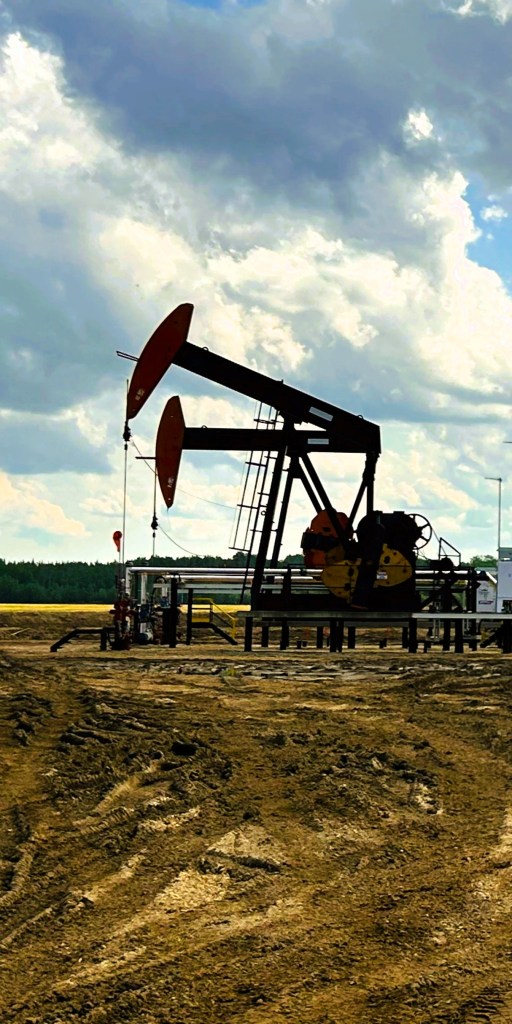
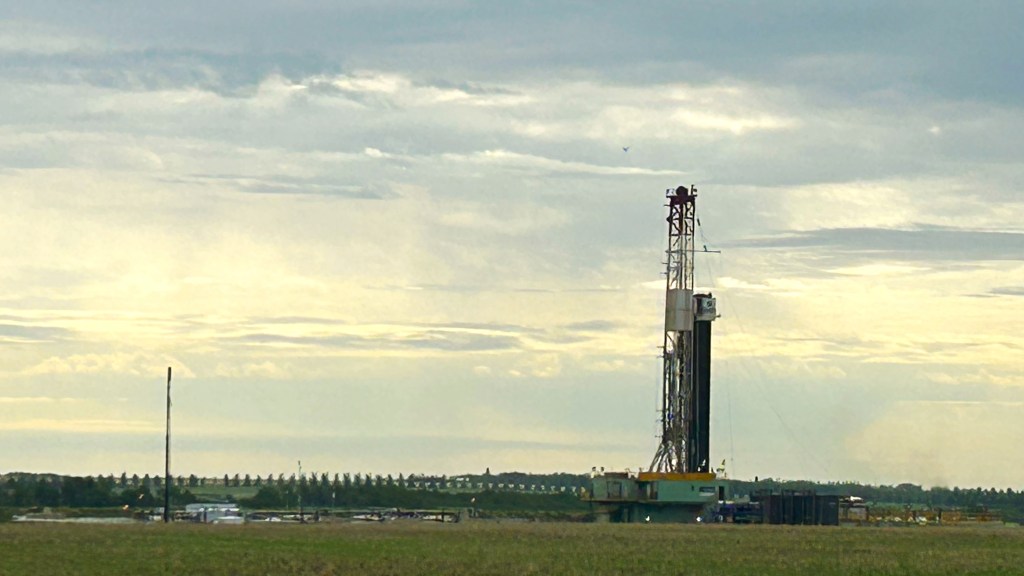
Over the last twenty years many Canadian millennials, especially young men, have found it necessary to leave their hometowns and pursue career opportunities in Alberta’s oil and gas sector to support themselves.
In the past the Canadian middle class was built largely on the extraction of natural resources and, in some regions, manufacturing. Generally, the jobs in these industries did not require post-secondary or even a high school diploma and they paid well.
In the ‘80s and ‘90s a high school drop out could get a position in logging, fishing, mining or manufacturing, and expect to eventually earn a wage that would cover all expenses necessary to provide a middle-class life.
That middle-class life was also much more affordable for older generations; on one income couples could buy a house, raise a family, pay for piano lessons and save for the kids’ education and their own retirement.
By the time the millennials started to come of age around the year 2000 these industries that provided the jobs that built a prosperous middle class no longer provided nearly as many lucrative career opportunities, and the costs of housing and living continued to climb.
Work has been precarious for the millennials and home ownership remains an unaffordable dream for many. One place where lucrative opportunities can still consistently be found is in Alberta’s oil and gas producing cities such as Fort MacMurray or Grande Prairie.
Building a Life with Oil and Gas
Reggie Hollan, 37, a 19-year veteran of Alberta’s oil and gas industry, puts it like this, “Oil and gas in Canada is one of the few places in the world where people can get ahead by just working hard and having average intelligence.”
Hollan was an 18-year-old farm boy from Horsefly, BC with no high school diploma when he was first hired as a roughneck on a service rig. “People that come from nothing with very few prospects can completely change the trajectory of their lives and the future of their family.”
Over the course of his career, Hollan has done very well for himself; a ridiculously hard worker and a gifted money manager, at 37 he’s has already achieved financial freedom. He’s a world traveller and worked in the oilfields of three separate countries.
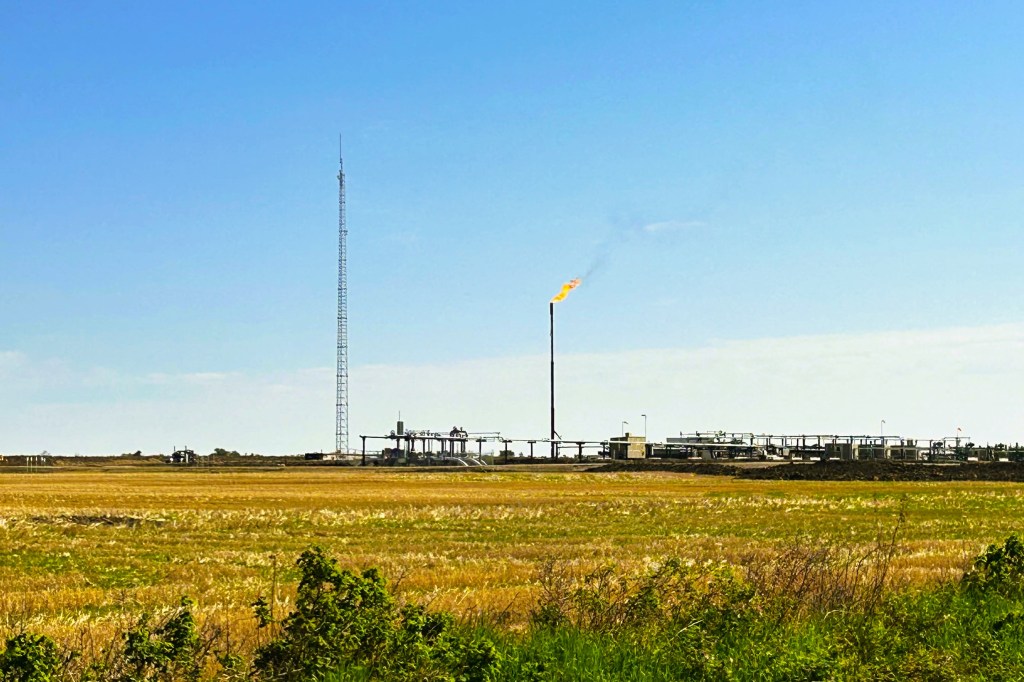
In oil and gas hardwork is rewarded financially, Hollan says. “They (O&G workers) are judged completely on their ability to do a job instead of how much they spent on an irrelevant education.”
Preparing for a Future Family
Attributions:
“tar sands, Alberta” by Dru Oja Jay, Howl Arts Collective is licensed under CC BY 4.0
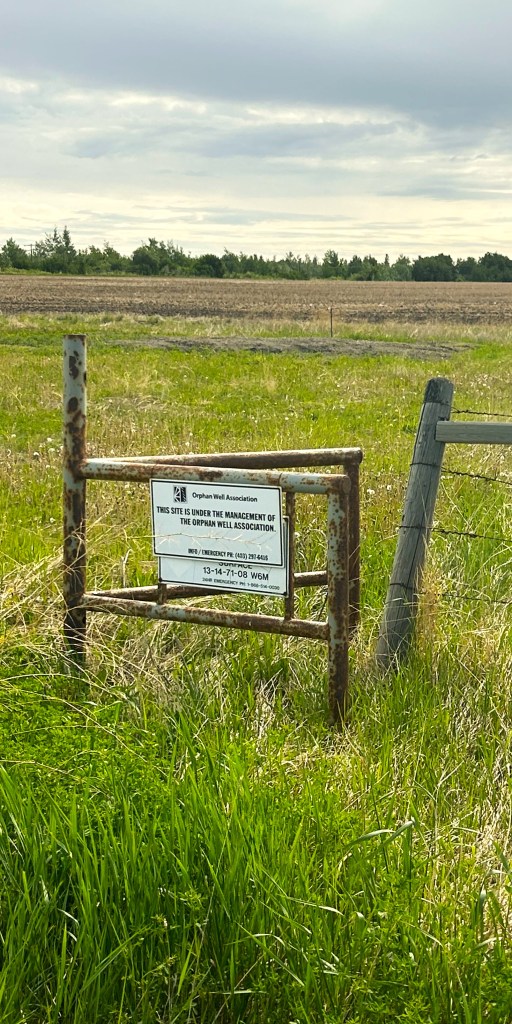
Don’t mistake Hollan’s lack of formal education as contempt for education; he’s a highly intelligent lifelong learner who attributes his success to “…hard work, motivation and self-education.” Hollan has left his career in oil and gas recently, completed the necessary upgrading and enrolled in the University of Alberta’s Mechanical Engineering program.
Hollan does not need this degree. A degree is a bucket list item he has earned the luxury of crossing off, but he thinks his degree will give him more choices when it comes to the next item on his bucket list, starting a family.
“Financially, I would be better off in the oilfield,” he says, “but I will be able to be more present in my family’s lives after I get my degree. I hope.” While oil and gas careers are lucrative, they are demanding. Oilfield schedules suited him well when he was single but now he’s making plans with his fiancé for a wedding and babies to follow and wants more options.
Building a Family Life in Oil and Gas
In the Canadian oilpatch it is normal to work “15 and 6” shifts; they last 15 days, 14 hours per day, before getting six days off. Workers often spend these shifts “in camp” which means they are working and living away from home for the shift. With some companies every second shift is a nightshift.
This kind of shift work is hard on family life and Hollan’s hopes reflect the major trade-off many millennial moms and dads are faced with in Canada regardless of where they live or in what industry they work but is especially salient in oil and gas. What does my family need more? My time or money?
 Crooked Timber
Leave a comment